Updated: July 2026
Private Island Investment in Indonesia: A 2027 Price and Market Outlook
As of 2027, private island prices in Indonesia exhibit a broad range, from approximately $900,000 for undeveloped options in regions like Anambas and Telaga Cina to over $23.5 million for premium, resort-integrated properties such as Bawah Reserve. The market demonstrates robust growth, with a projected 7.3% annual appreciation in early-stage markets like Anambas.
Indonesia’s private island market continues to solidify its position as a compelling investment frontier for 2027. With a distinct blend of undeveloped parcels and established luxury resorts, the archipelago offers diverse entry points for discerning investors. Our analysis for the coming year indicates a sustained upward trajectory in property values, particularly within strategically important regions.
The 2027 Price Spectrum: From Entry-Level to Ultra-Luxury
The financial landscape for private islands in Indonesia in 2027 presents a varied picture. Entry-level, undeveloped islands in less mature markets, such as Telaga Cina, are available from approximately $900,000 to $1.5 million. These parcels often represent raw land, requiring significant development but offering substantial long-term appreciation potential. For instance, some options in the Anambas Islands, an early-stage market, can be acquired at costs 20–30% lower than comparable properties in more established areas like Bali or Lombok. This pricing differential provides a considerable advantage for early investors.
Moving into the mid-range, developed islands with basic infrastructure or initial resort foundations typically command prices between $4.5 million and $7 million. Dekar Island, for example, has been valued around $4.5 million, indicating the segment for properties with some existing development or a more defined investment proposition. These islands often appeal to buyers looking for a quicker path to operationalisation or those seeking a balance between development potential and existing amenities.
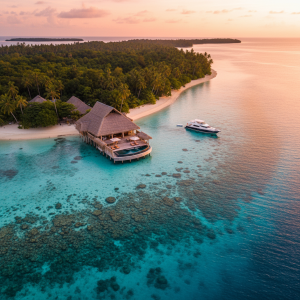
At the upper echelon, premium resort-integrated islands, exemplified by the exclusive Bawah Reserve, can exceed $15 million and reach up to $23.5 million. These properties represent fully operational, high-yield assets, often with established luxury accommodations and comprehensive services. Bawah Reserve, as the only 5-star property in the Anambas province, commands rental rates of $35,000 per night, underscoring the potential for significant returns on such high-value investments.
Anambas Islands: A Market on the Rise for 2027
The Anambas Islands are poised for considerable growth in 2027, confirming their status as a key area for private island investment. Projections indicate an annual price appreciation of 7.3% for land in this region, driven by increasing scarcity and growing international recognition. The provincial government’s judicious approach to development, including limits on overpricing, is designed to preserve long-term value and prevent speculative bubbles. This regulated growth environment ensures that investments here are underpinned by sustainable market fundamentals.
The presence of Bawah Reserve in Anambas serves as a powerful anchor, attracting high-net-worth individuals and demonstrating the region’s capability to support luxury tourism. This five-star establishment acts as a benchmark for quality and a catalyst for further high-yield investment, reinforcing the appeal of Anambas for those seeking both capital appreciation and potential operational income.
Macroeconomic Drivers and Regional Dominance
The broader Asia Pacific private island market is projected to experience a Compound Annual Growth Rate (CAGR) of 8.4% between 2026 and 2034. Indonesia is expected to account for a substantial share of transactions within this region, competing with established markets such as the Maldives, Fiji, Thailand, and the Philippines. The global private island resort market, valued at $7.6 billion in 2024, is forecast to reach $15.1 billion by 2033, growing at a CAGR of 7.8%. The Asia Pacific region is a dominant force, contributing 38% of global revenue in 2024.
These figures underscore the robust demand for private island assets and experiences globally, with Indonesia strategically positioned to capitalise on this trend. The archipelago’s diverse geography, stable regulatory environment, and increasing infrastructure development contribute to its attractiveness as an investment destination.
Key Trends Shaping the 2027 Indonesian Private Island Market
- Early-Investor Advantage in Anambas: Land prices are accelerating as the province gains global traction. Government development limits prevent overpricing, preserving long-term value.
- Eco-Tourism and Marine Park Protection: Scarcity-driven appreciation is bolstered by protected marine areas, enhancing the appeal of eco-conscious developments.
- Infrastructure Development: Improved accessibility, including enhanced air and sea links, reduces travel times and increases visitor numbers to remote islands.
- Sustainable Development Focus: A growing emphasis on sustainable practices and eco-friendly infrastructure is attracting environmentally conscious investors and buyers.
- Digital Nomad & Remote Work Appeal: The rise of remote work continues to fuel demand for private, self-sufficient island properties, offering privacy and exclusivity.
- Luxury Resort Expansion: The success of properties like Bawah Reserve encourages further investment in high-end resort development, particularly in emerging regions.
Navigating the Investment Landscape: Practical Considerations
For those considering an investment in Indonesian private islands in 2027, understanding the nuances of local regulations and logistics is crucial. The process of acquiring and developing an island involves various permits and legal frameworks. Expert advice on property law, environmental regulations, and bali customs clearance for imported materials is indispensable to ensure a smooth acquisition and development process. Due diligence, including land surveys and title verification, is paramount to mitigate risks and secure a sound investment.
The market’s increasing sophistication also means that investors have access to more refined support services, from architectural design firms specialising in island developments to property management companies. These services can significantly streamline the path from acquisition to operationalisation, whether for a private retreat or a commercial resort.
Investment Outlook for 2027 and Beyond
The outlook for private island investment in Indonesia for 2027 remains exceptionally strong. The combination of appreciating asset values, strategic regional growth, and supportive macroeconomic trends positions Indonesia as a leading destination for private island acquisition. Whether seeking an undeveloped plot with significant capital appreciation potential or a fully operational luxury resort, the Indonesian market offers a breadth of opportunities that cater to diverse investment objectives.
| Category | Value/Range (USD) | Notes |
|---|---|---|
| Lowest Private Island Price | $900,000 – $1.5 million | Undeveloped, e.g., Telaga Cina, Anambas |
| Mid-range Private Island Price | $4.5 million – $7 million | Some development, e.g., Dekar Island |
| Highest Private Island Price | $15 million – $23.5 million | Premium developed resorts, e.g., Bawah Reserve |
| Anambas Land Costs vs. Bali/Lombok | 20–30% lower | Early-stage market advantage |
| Anambas Annual Price Appreciation | 7.3% (projected) | Scarcity-driven growth |
| Bawah Reserve Rental Rate | $35,000/night | Indicates high-yield potential for premium properties |
| Asia Pacific Private Island Market CAGR (2026–2034) | 8.4% | Strong regional growth |
| Global Private Island Resort Market (2033) | $15.1 billion (projected) | Significant global expansion |
Q&A: Investing in Indonesian Private Islands
Q: What are the primary benefits of investing in an undeveloped private island in Indonesia for 2027?
A: Investing in an undeveloped private island in Indonesia for 2027 offers significant potential for capital appreciation, particularly in regions like Anambas, where land acquisition costs are 20–30% lower than in more established markets. These properties allow investors to design and develop their vision from the ground up, customising for specific uses such as a private residence, an eco-resort, or a luxury retreat, thereby maximising long-term value and returns as infrastructure and tourism grow in the region.
Q: How do government regulations impact private island investments in Indonesia, particularly in emerging areas?
A: Government regulations in Indonesia play a crucial role in shaping the private island market. In emerging areas like Anambas, the provincial government implements policies designed to prevent overpricing and ensure sustainable development. These regulations, often focused on environmental protection and controlled growth, help preserve the long-term value of private island assets by preventing overdevelopment and maintaining the natural integrity of these unique locations, which appeals to eco-tourism and high-end luxury markets.